
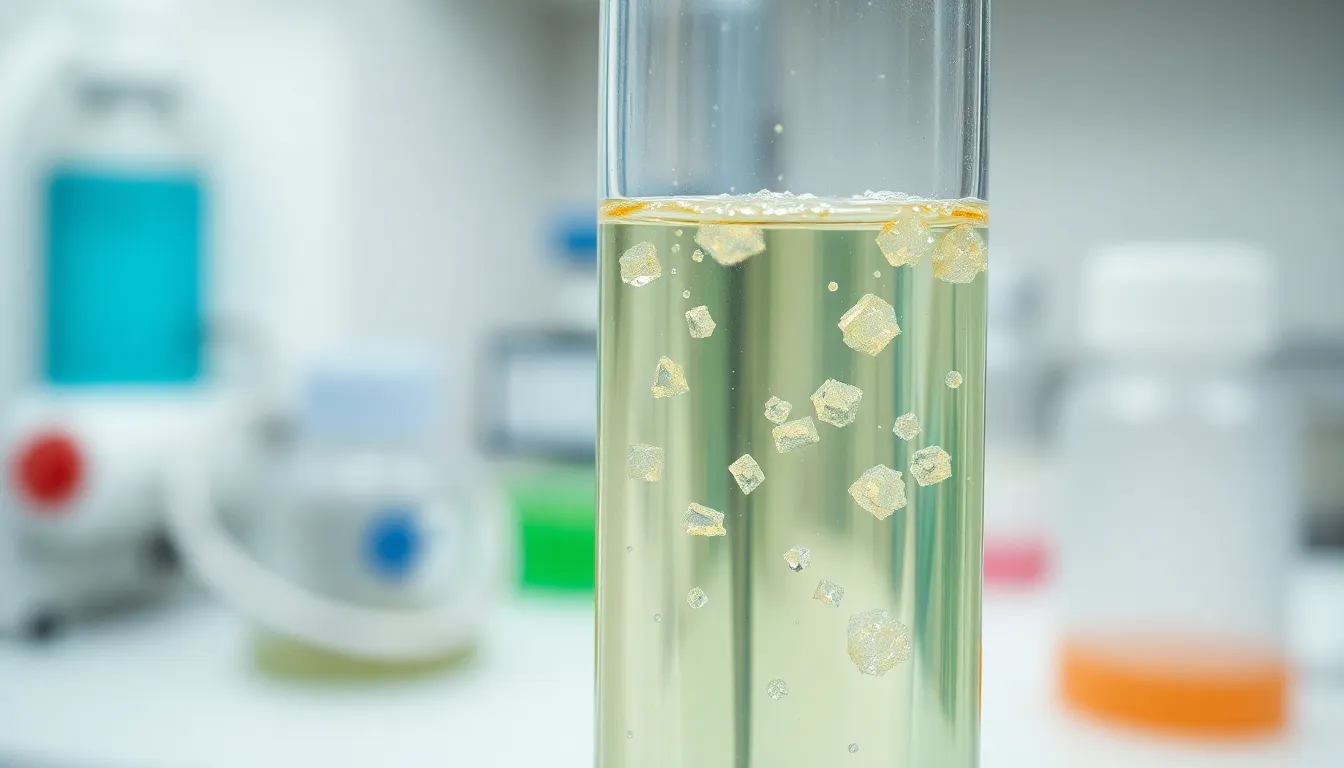
Kidney stone flakes in urine can be a surprising and concerning discovery. For many, the presence of these tiny particles raises questions about kidney health and overall well-being. Understanding what these flakes are and what they signify is crucial for anyone experiencing this phenomenon.
These flakes often consist of minerals and salts that have crystallized in the kidneys, potentially leading to more significant issues if left unaddressed. While they can be harmless in some cases, they may also indicate an underlying problem that requires attention. By exploring the causes, symptoms, and treatment options related to kidney stone flakes, individuals can take proactive steps toward maintaining their kidney health and preventing future complications.
Understanding Kidney Stones
Kidney stones are hard deposits formed in the kidneys when minerals and salts crystallize. They can vary in size and may pass through urine without causing significant harm, yet larger stones can cause pain and complications.
What Are Kidney Stones?
Kidney stones are solid masses made up of crystals. These crystals form when urine becomes concentrated, allowing minerals like calcium, oxalate, and uric acid to crystallize. If they grow large enough, they can obstruct the kidney or urinary tract, leading to severe pain or infections.
Types of Kidney Stones
Different types of kidney stones include:
- Calcium Stones
Calcium stones are the most common type, often composed of calcium oxalate or calcium phosphate. Dietary factors, dehydration, or genetic predisposition can contribute to their formation.
- Struvite Stones
Struvite stones form in response to urinary tract infections. They develop rapidly and can grow large, sometimes without causing noticeable symptoms.
- Uric Acid Stones
Uric acid stones occur when urine is too acidic. Conditions like gout or high-protein diets can increase the risk of developing these stones.
- Cystine Stones
Cystine stones are less common and result from a genetic disorder that causes the kidneys to excrete excessive amounts of certain amino acids, particularly cystine.
Each type of stone has distinct causes and treatment options, emphasizing the need for proper diagnosis and management.
Causes of Kidney Stone Flakes in Urine
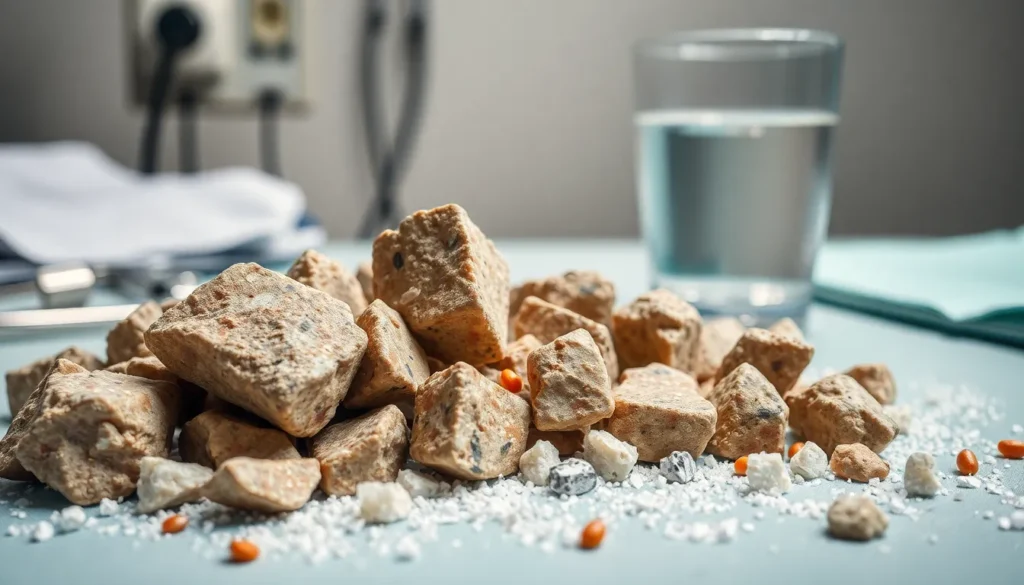
Kidney stone flakes in urine often arise from various factors that contribute to the crystallization of minerals and salts within the kidneys. Understanding these causes aids in prevention and management.
Risk Factors
- Dehydration: Insufficient fluid intake concentrates urine, promoting crystal formation.
- Obesity: Excess weight increases the likelihood of developing kidney stones due to metabolic changes.
- Family History: Genetic predisposition enhances the risk for kidney stones, especially in certain types.
- Age and Gender: Men aged 30 to 50 are at higher risk due to hormonal influences and lifestyle factors.
- Medical Conditions: Conditions like diabetes, Crohn’s disease, and hyperparathyroidism disrupt normal mineral balance, increasing stone formation.
Dietary Influences
- High Sodium Intake: Excessive salt consumption leads to higher calcium excretion in urine, contributing to stone formation.
- Oxalate-Rich Foods: Foods like spinach, beets, and nuts can raise urinary oxalate levels, increasing the risk of calcium oxalate stones.
- Animal Protein: High consumption of meat and fish elevates uric acid levels, leading to uric acid stones.
- Low Calcium Diet: Inadequate calcium intake may cause increased oxalate absorption, raising stone risk.
- Sugary Beverages: High sugar intake, especially from soda, is linked to increased kidney stone incidence.
Symptoms Associated with Kidney Stone Flakes
Recognizing symptoms associated with kidney stone flakes is crucial for timely intervention. These symptoms may vary in intensity and can indicate different levels of concern regarding kidney health.
Common Symptoms
- Pain: Individuals often report sharp pain in the lower back, side, or abdomen. This pain may fluctuate in intensity and can radiate toward the groin.
- Blood in Urine: Hematuria, or blood in urine, frequently accompanies kidney stones. This condition results in pink, red, or brown urine.
- Frequent Urination: Increased urgency to urinate may signal the presence of kidney stone flakes. The sensation may lead to frequent trips to the bathroom.
- Nausea and Vomiting: These gastrointestinal symptoms may arise during episodes of pain, often complicating the overall experience.
- Cloudy or Foul-Smelling Urine: Urine may appear cloudy or have a strong odor, suggesting the possibility of infection or mineral accumulation.
Severe Symptoms
- Intense Pain Episodes: While common pain can be significant, severe episodes often result in debilitating discomfort requiring immediate medical attention.
- Inability to Pass Urine: A major concern arises when the ureter becomes blocked, preventing urine from passing. This condition leads to severe abdominal pain and swelling.
- Fever and Chills: The presence of these symptoms can indicate a serious infection or complications related to kidney stones. Chills may accompany elevated body temperatures.
- Persistent Blood in Urine: Continuous or increasing hematuria necessitates evaluation by a healthcare provider, as it may signal severe complications.
- Acute Kidney Injury: In severe cases, kidney function may decline rapidly, leading to serious health implications. Symptoms may include decreased urine output, severe fatigue, or swelling.
Understanding these symptoms allows individuals to seek medical advice promptly, ensuring appropriate care and management of kidney stone flakes and related conditions.
Diagnosis and Testing
Accurate diagnosis of kidney stone flakes in urine involves several tests and evaluations. These methods help healthcare professionals determine the presence of stones and their potential causes.
Urinalysis
Urinalysis provides an initial assessment of urine composition. This test checks for the presence of crystals, blood, bacteria, and other substances. Key indicators that may suggest the presence of kidney stones include:
- Crystal formation: Identifies specific minerals present in urine that form stones.
- Presence of blood: Hematuria may indicate kidney stones or underlying conditions.
- pH levels: Abnormal acidity or alkalinity levels can influence stone formation.
- Concentration of substances: Elevated levels of calcium, oxalate, or uric acid may signal risks for stone development.
Imaging Tests
Imaging tests give a visual representation of the urinary tract and kidney stones. Common imaging methods include:
- Ultrasound: Uses sound waves to create images of the kidneys and bladder, identifying stones and obstructions without radiation.
- CT scan: Provides detailed cross-sectional images, allowing precise detection and sizing of stones. It’s particularly effective for acute cases.
- X-ray: While useful for some types of stones, it may not detect all forms, such as uric acid stones, which are often radiolucent.
Healthcare professionals may select specific tests based on individual cases to tailor diagnosis and management strategies effectively.
Treatment and Management
Management of kidney stone flakes in urine focuses on both home remedies and medical treatments, addressing prevention and alleviation of symptoms effectively.
Home Remedies
Home remedies can assist in managing kidney stone flakes. They include:
- Increased Hydration: Drinking plenty of water dilutes urine, decreasing the concentration of minerals and salts that form stones. Aim for at least 2-3 liters daily.
- Citrus Juices: Consuming lemon juice and orange juice can provide citric acid, which may help prevent stone formation. Adding fresh lemon to water can boost hydration as well.
- Apple Cider Vinegar: Mixing 2 tablespoons of apple cider vinegar in water might help dissolve mineral deposits due to its acetic acid content.
- Dietary Adjustments: Reducing sodium and oxalate intake promotes better kidney health. Increasing fiber-rich foods, fruits, and vegetables supports hydration and mineral balance.
- Herbal Remedies: Certain herbs, like dandelion root and nettle leaf, may support kidney health. These should be used after consulting a healthcare professional.
Medical Treatments
Medical treatments are essential for addressing kidney stone flakes when home remedies do not suffice. Options include:
- Medications: Pain relievers like NSAIDs can alleviate symptoms during stone passage. Alpha-blockers may facilitate stone expulsion by relaxing the muscles in the urinary tract.
- Lithotripsy: Extracorporeal shock wave lithotripsy (ESWL) uses shock waves to break stones into smaller pieces, making them easier to pass.
- Ureteroscopy: This procedure involves guiding a small scope through the urinary tract to remove stones directly or break them down.
- Percutaneous Nephrolithotomy: For larger stones, this method involves a small incision in the back to remove stones directly from the kidney.
- Surgical Interventions: Rarely, surgery may be necessary for complex cases involving significant blockage or recurrent stone formations.
Combining home remedies and medical treatments ensures a comprehensive approach to managing kidney stone flakes, enhancing overall kidney health and reducing recurrence risks.
Prevention Strategies
Implementing effective prevention strategies can significantly reduce the risk of kidney stone flakes in urine. Focus on dietary adjustments and lifestyle changes to promote overall kidney health.
Dietary Adjustments
Adopting specific dietary adjustments can help prevent the formation of kidney stones. Incorporate the following practices:
- Increase fluid intake: Aim for at least 2 to 3 liters of fluid daily. Adequate hydration helps dilute urine and prevents crystallization of minerals.
- Limit sodium consumption: Reduce sodium intake to less than 2,300 mg per day. Excessive salt increases calcium excretion, elevating the risk of calcium stone formation.
- Manage oxalate-rich foods: Moderate consumption of foods high in oxalates, such as spinach, beets, and nuts, helps decrease the risk of certain stones.
- Balance animal protein: Limit intake of animal protein to under 100 grams daily. High protein can increase uric acid, contributing to stone formation.
- Enhance calcium intake: Ensure adequate calcium intake through dairy products and non-dairy sources. Maintain a balance, as low calcium diets can lead to higher oxalate absorption.
Lifestyle Changes
- Maintain a healthy weight: Achieve and maintain a body mass index (BMI) within the range of 18.5 to 24.9. Obesity increases stone risk due to changes in urine composition.
- Engage in regular exercise: Aim for at least 150 minutes of moderate aerobic activity weekly. Regular physical activity aids in weight management and overall health.
- Limit sugary beverages: Avoid high-fructose corn syrup and excess refined sugars. These beverages contribute to stone formation and weight gain.
- Avoid excessive caffeine: Limit caffeine intake to moderate levels. High amounts can lead to dehydration, increasing stone risk.
- Monitor medications: Review medications with a healthcare provider. Certain medications can contribute to stone formation, requiring adjustments for kidney health.
Kidney stone flakes in urine can be a sign of underlying health issues that shouldn’t be ignored. While they may sometimes appear harmless, understanding their implications is crucial for maintaining kidney health. Recognizing symptoms and knowing when to seek medical advice can prevent complications down the line.
Implementing preventive measures through dietary adjustments and lifestyle changes is essential. Staying hydrated and managing intake of certain foods can significantly reduce the risk of developing kidney stones. By being proactive and informed, individuals can take charge of their kidney health and reduce the likelihood of future stone formation.
