
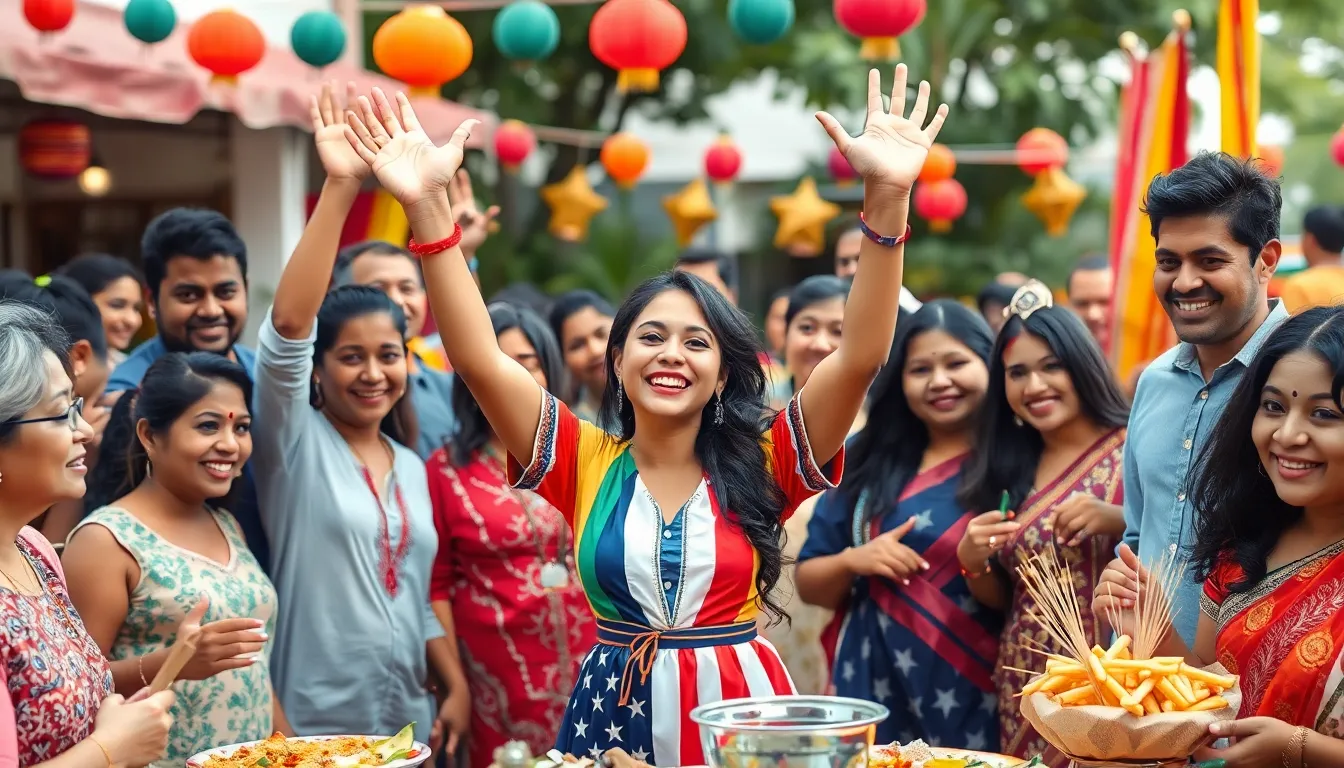
Celebrations play a vital role in human culture, bringing people together to mark important milestones and shared experiences. From birthdays to national holidays, these events foster a sense of community and belonging. They serve as a reminder of what truly matters, allowing individuals to pause and reflect on their lives.
Significant celebrations often transcend geographical and cultural boundaries. They highlight the rich tapestry of traditions and customs that define societies around the world. Whether it’s the joyous festivities of Diwali or the solemn observance of Memorial Day, each celebration carries its own unique significance, connecting generations and preserving history. Understanding these rituals not only enriches one’s appreciation of different cultures but also emphasizes the universal human desire to celebrate life’s moments.
Overview of Significant Celebrations
Significant celebrations serve as pivotal events that mark important milestones in individual and collective lives. These occasions foster communal bonds and reinforce shared values, creating opportunities for connection among participants. Celebrations often include various customs and traditional practices, reflecting the unique character of diverse cultures.
Major celebrations span across different themes and purposes. Religious celebrations, such as Christmas and Ramadan, focus on spiritual reflection and community gatherings. Cultural celebrations, including festivals like Mardi Gras and Chinese New Year, highlight specific heritage and customs of various groups. National holidays, such as Independence Day and Thanksgiving, promote patriotism and unity as societies honor their history and achievements.
Each celebration possesses distinct elements that contribute to its significance. Rituals, food, music, and attire enhance the experience, helping participants engage fully. For instance, Diwali showcases vibrant decorations and traditional sweets, while Memorial Day incorporates ceremonies in honor of the fallen. These elements not only elevate the festivities but also educate participants about the reasons behind the celebration.
Significant celebrations encapsulate the essence of human connection, honoring shared experiences and traditions. They provide insights into cultural practices and exemplify the universal need for communal experiences, enriching individuals’ lives across the globe.
Cultural Significance of Celebrations
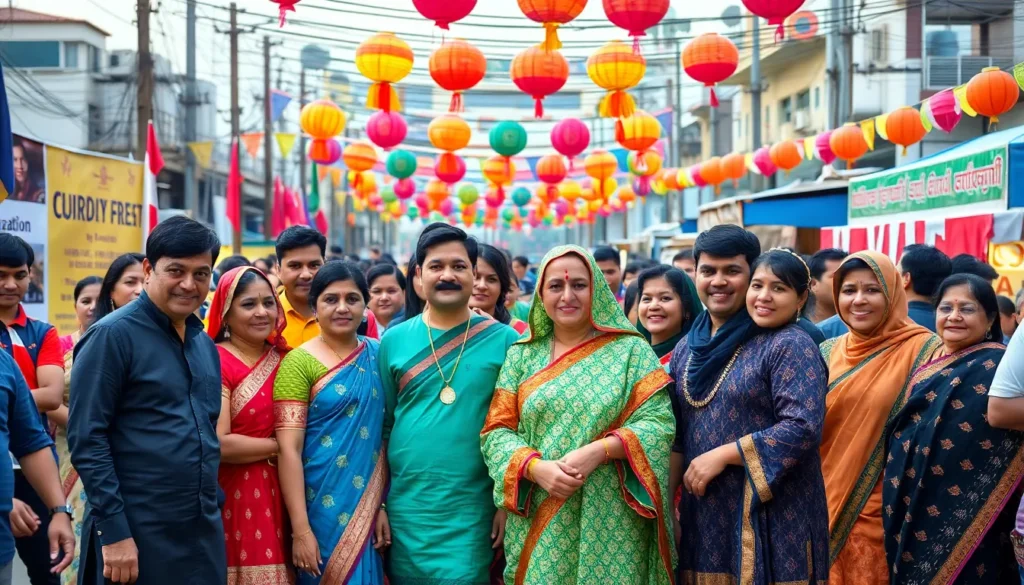
Celebrations hold deep cultural significance, often reflecting communal identity and the preservation of traditions. These events create opportunities for individuals to connect meaningfully with their heritage while fostering a sense of belonging.
Impact on Community Identity
Celebrations enhance community identity by reinforcing shared values and customs. Events like Independence Day or Chinese New Year allow individuals to collectively participate in traditions that define their cultural or national identity. They instill pride, providing a platform for storytelling and the transmission of history. Celebrations often bring diverse groups together, creating a sense of unity while respecting individual differences. By marking the passage of time together, communities strengthen bonds and affirm their collective identities.
Preservation of Traditions
Celebrations play a crucial role in preserving traditions across generations. Rituals, rituals, and practices associated with events like Diwali or Thanksgiving encourage the transmission of cultural knowledge. Participants engage in age-old customs, reinforcing cultural identity while adapting to contemporary contexts. Celebrations not only honor the past but also educate younger generations about their heritage. Through shared experiences, traditions remain alive, ensuring that cultures continue to thrive in an ever-evolving world.
Types of Significant Celebrations
Significant celebrations encompass various themes, each contributing uniquely to community and individual experiences. Below are key types of significant celebrations that highlight diverse cultural practices and values.
National Holidays
National holidays celebrate a nation’s identity, history, and values. These events often commemorate pivotal moments in a country’s history, such as Independence Day in the United States or Bastille Day in France. Common elements of national holidays include parades, fireworks, public speeches, and community gatherings. They foster patriotism and unity among citizens, allowing individuals to reflect on their national heritage while strengthening communal bonds.
Religious Festivals
Religious festivals serve to honor sacred events and beliefs across different faiths. Celebrations like Christmas, Ramadan, and Diwali demonstrate the rich traditions associated with spiritual observance. Characteristics of religious festivals include rituals, prayers, family gatherings, and communal meals. These events invite participation from followers and often attract those interested in learning about various faiths, promoting interfaith dialogue and cultural exchange.
Cultural Fairs
Cultural fairs provide a platform to showcase diverse customs, art forms, and culinary traditions. Events such as Mardi Gras and the Chinese New Year Fair celebrate specific cultural identities while inviting the broader community to participate. Key activities at cultural fairs include music performances, dance, art exhibitions, and food stalls featuring traditional cuisine. These gatherings encourage appreciation for diverse cultures, fostering mutual respect and understanding among different communities.
Modern Adaptations of Celebrations
Modern celebrations increasingly incorporate technology and embrace the globalization of traditions. These adaptations enhance the experience and broaden participation, reflecting contemporary shifts in society.
Incorporating Technology
Technology transforms how people celebrate. Virtual gatherings connect individuals across distances, enabling participation through video conferencing platforms. Social media amplifies the reach of events by allowing individuals to share experiences instantly. Digital invitations streamline organization, while event management apps simplify logistics. Live streaming enhances accessibility, inviting remote audiences to partake in important milestones. Interactive elements, such as online games and polls, engage attendees beyond physical boundaries. Augmented and virtual reality create immersive experiences, allowing participants to explore celebrations in innovative ways.
Globalization of Traditions
Globalization fosters the exchange of cultural practices, resulting in hybrid celebrations that blend diverse traditions. People worldwide adopt and adapt customs from various cultures, creating unique experiences that honor multiple heritages. For instance, Halloween incorporates elements from Dia de los Muertos, enriching the experience with diverse influences. International festivals, like World Music Day, showcase an array of artistic expressions, encouraging global participation. Sharing culinary traditions through potlucks or themed dinners reflects a growing appreciation for global cuisines. This convergence of traditions underscores a collective human experience, celebrating diversity while cultivating unity.
Significant celebrations play an essential role in shaping cultural identities and fostering communal bonds. They offer a unique opportunity for individuals to connect and reflect on shared values while honoring traditions that have stood the test of time. As society evolves, these celebrations adapt, embracing modern influences and technology to enhance participation and inclusivity.
The blending of diverse customs through globalization enriches the celebration experience, allowing people to appreciate various heritages. This ongoing evolution underscores the universal human desire to commemorate life’s milestones together. Ultimately, significant celebrations not only elevate individual experiences but also weave a rich tapestry of collective memory that unites people across the globe.
