

In a world overrun by the undead, survival becomes a test of wit, strength, and sheer willpower. “The Walking Dead” captivates audiences not just with its thrilling action but also with its complex characters who face unimaginable challenges. As the series unfolds, viewers are left wondering who will emerge unscathed from the relentless chaos.
From beloved heroes to unexpected villains, the fate of each character hangs in the balance. Some find resilience in friendship and hope, while others succumb to despair and betrayal. This article dives into the gripping journey of survival, exploring the key players who navigate this brutal landscape and the choices that ultimately determine their fates. Buckle up for an exploration of resilience, sacrifice, and the will to live in a world where every decision counts.
Overview of “Who Survives The Walking Dead”
Survival in “The Walking Dead” hinges on character decisions, alliances, and adaptability to dire circumstances. Key characters face numerous threats, testing their morals and resilience.
| Character | Fate | Significant Choices |
|---|---|---|
| Rick Grimes | Survives | Leadership; addressing conflicts with power struggles. |
| Daryl Dixon | Survives | Loyalty to allies; strategic resource management. |
| Carol Peletier | Survives | Pragmatism; making difficult ethical decisions. |
| Maggie Greene | Survives | Protecting her family; adapting to evolving dangers. |
| Glenn Rhee | Deceased | Sacrifices for others; risk-taking in dangerous situations. |
| Carl Grimes | Deceased | Maturing under pressure; navigating complex relationships. |
Occupants of the series display a range of survival outcomes, influenced by their responses to external threats and interpersonal dynamics. Key themes emerge, focusing on the balance between moral integrity and the instinct to survive at all costs. As narratives unfold, viewers witness the fluctuating fates of characters shaped by loyalty, betrayal, and the relentless struggle against a world fraught with danger.
Main Characters and Their Fates
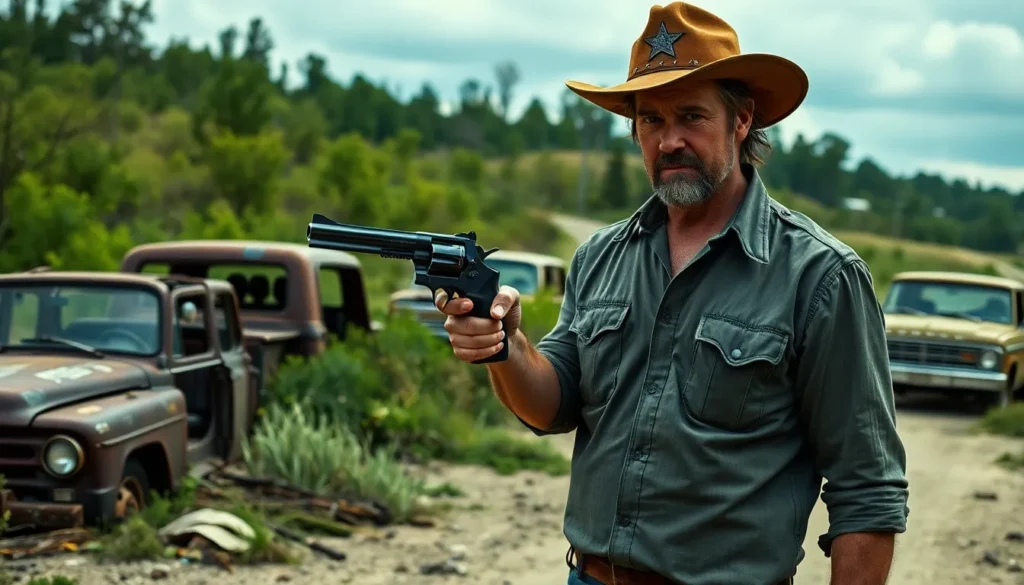
Key characters in “The Walking Dead” face life-altering challenges that dictate their survival. Each character’s journey highlights the consequences of choices made in a ruthless environment.
Protagonists Who Survived
- Rick Grimes: Maintained leadership and strategic thinking, allowing for consistent survival amidst chaos.
- Daryl Dixon: Excelled in resourcefulness and combat skills, which ensured his ongoing presence in the group.
- Carol Peletier: Adapted to her surroundings, demonstrating resilience and cunning that facilitated her survival against numerous threats.
- Maggie Greene: Harnessed strength and determination, overcoming personal loss to remain a key player in subsequent conflicts.
- Judith Grimes: Represented hope for the future, surviving through the protective efforts of others and her own emerging capabilities.
Notable Deaths
- Glenn Rhee: Met a tragic end due to a brutal encounter, symbolizing the harsh realities of the world.
- Carl Grimes: Showcased vulnerability and sacrifice, highlighting the emotional weight of his character’s choices.
- Abraham Ford: Faced death after displaying courageous leadership in critical moments.
- Andrea Harrison: Died as a result of betrayal, reflecting the series’ themes of trust and survival.
- Hershel Greene: Executed in a pivotal moment, emphasizing the gravity of conflict between factions.
Factors Influencing Survival
Survival in “The Walking Dead” hinges on several crucial factors that profoundly impact character fates. Among these, character development, decisions, and group dynamics play significant roles.
Character Development and Decisions
Character growth directly affects survival outcomes. Characters who evolve often display traits such as leadership, adaptability, and strategic thinking. For example, Rick Grimes, demonstrating growth from a lawman to a pragmatic leader, makes choices that foster group safety. Daryl Dixon showcases his resourcefulness and loyalty, enhancing his survival prospects. In contrast, characters who struggle with moral dilemmas or fail to adapt to their environment, like Glenn Rhee and Carl Grimes, face dire consequences for their noble choices. Each decision made in high-stress situations can pivot a character’s trajectory, illustrating how personal growth and choices determine life-or-death scenarios within the series.
Group Dynamics and Alliances
The effectiveness of alliances significantly influences survival rates. Characters forming strong bonds often benefit from pooled resources, shared skills, and emotional support. Groups like Rick’s original survivor community leverage these dynamics for collective safety. Cooperation enhances problem-solving capabilities, allowing characters to navigate threats effectively. Conversely, betrayal within alliances leads to catastrophic outcomes, exemplified by characters like Negan, who disrupt group cohesion and incite chaos. The stability of these relationships often determines whether a character can withstand the brutal realities of their world, highlighting the necessity of trust and collaboration in the fight for survival.
Thematic Elements of Survival
“The Walking Dead” explores intricate themes surrounding survival, particularly the moral and ethical choices characters face. These decisions profoundly impact their fates and influence the dynamics of trust within the group.
Morality and Ethics
Morality and ethics play pivotal roles in character decision-making throughout the series. Characters often confront challenging choices that test their moral boundaries. Rick Grimes exemplifies a leader striving to maintain a code of ethics, often prioritizing his group’s safety over personal desires. Meanwhile, characters like Negan present a stark contrast, showcasing morality’s malleability in dire situations. The series illustrates that survival often demands ethical compromises, as characters wrestle with their humanity while navigating violent encounters.
Moral dilemmas manifest consistently, illustrating conflicts between loyalty and pragmatism. For instance, Carol Peletier’s transformation reflects a shift from an empathetic figure to one willing to take ruthless actions for survival. Characters’ choices, whether altruistic or self-serving, dictate alliances and rivalries, significantly impacting their survival prospects in a world devoid of societal norms.
Hope and Despair
Hope and despair function as driving forces in characters’ survival journeys. Amidst relentless challenges, some characters cling to hope, inspiring others around them. The group dynamics often reflect this duality, with moments of hope arising during victories or small triumphs. For example, characters like Maggie Greene embody hope, motivating others through resilience and determination.
Conversely, despair frequently undermines survival efforts. Moments of loss, betrayal, or defeat lead characters into the depths of hopelessness, causing fractures within groups and hindering collaboration. This cyclical nature of hope and despair undeniably influences characters’ mentalities, emphasizing the psychological toll of a post-apocalyptic world. The series captures how moments of light can emerge from darkness, motivating characters to continue fighting against overwhelming odds while highlighting the fragile nature of optimism in the face of despair.
Fan Reactions and Theories
Fan reactions to “The Walking Dead” often reflect a mixture of excitement, frustration, and speculation. Online forums and social media platforms buzz with discussions analyzing character arcs, potential storylines, and the series’ numerous twists. Fans frequently dissect each episode for clues, creating theories about who may survive next based on plot developments and character decisions.
Various theories circulate regarding key characters’ fates. Some fans propose that Judith Grimes’ survival represents a new generation’s hope in a bleak world. Others speculate whether characters like Negan could undergo redemption arcs, creating dramatic tension and moral dilemmas. This ongoing debate encourages viewers to engage deeply with the narrative, interpreting events through personal lenses.
Character deaths ignite intense discussions, illustrating audiences’ emotional investments. The unexpected demise of significant characters, such as Glenn Rhee and Carl Grimes, sparks outrage and sorrow within the fanbase. Many fans express their grief online, reinforcing the impact of these decisions on the community’s collective experience. The reactions often lead to theories about potential consequences, shifting alliances, or the introduction of new characters meant to fill the gaps left by those who perish.
Alliances and betrayals also fuel fan speculation. Viewers ponder the efficacy of groups like the Saviors or the Whisperers, examining their dynamics for hints of future conflicts. The shifting loyalties prompt theories about character survival, often igniting vigorous debates. Fans suggest various scenarios linking past decisions with future outcomes, unveiling layers of complexity within the story.
Interactive online polls gauge fans’ opinions about favorite characters and expected plot twists, showcasing the communal aspect of viewing. Such engagement not only strengthens viewer bonds but also influences the series’ creators, who may adapt storylines based on audience feedback.
Fan reactions and theories surrounding “The Walking Dead” reveal a passionate community actively engaging with the series’ themes of survival, morality, and the consequences of choices. These collective discussions highlight the intricate connections between characters, their choices, and the constantly evolving narrative landscape.
Survival in “The Walking Dead” is a complex interplay of choices and relationships. Characters like Rick and Daryl exemplify how adaptability and strong alliances can lead to resilience in the face of relentless danger. Meanwhile, the tragic fates of characters such as Glenn and Carl serve as poignant reminders of the harsh realities of their world.
The series masterfully illustrates the balance between morality and survival instincts, showcasing how trust and betrayal can shape outcomes. As fans continue to engage with the narrative and speculate on character arcs, the emotional depth and moral dilemmas presented in the story resonate deeply. Ultimately, “The Walking Dead” remains a compelling exploration of what it truly means to survive in an unforgiving landscape.
